
Why Flocculation Is Critical in Modern Water & Wastewater Treatment
Flocculation aggregates destabilized particles into large, dense flocs that settle quickly or filter easily, significantly enhancing water clarity and treatment efficiency. When combined with proper coagulation, it reduces turbidity, suspended solids, COD, and heavy metals while minimizing chemical usage and sludge production.
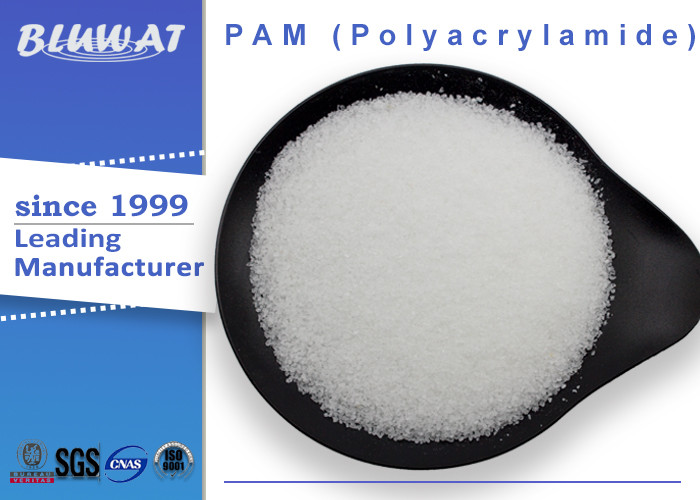
Polyacrylamide (PAM) flocculants remain the industry gold standard due to their high molecular weight, strong bridging capability, and adaptability across diverse applications—from drinking water purification to complex industrial effluents. As a dedicated Polyacrylamide Factory, Xinqi Polymer Co., Ltd produces consistent, high-performance PAM tailored to real-world treatment challenges.
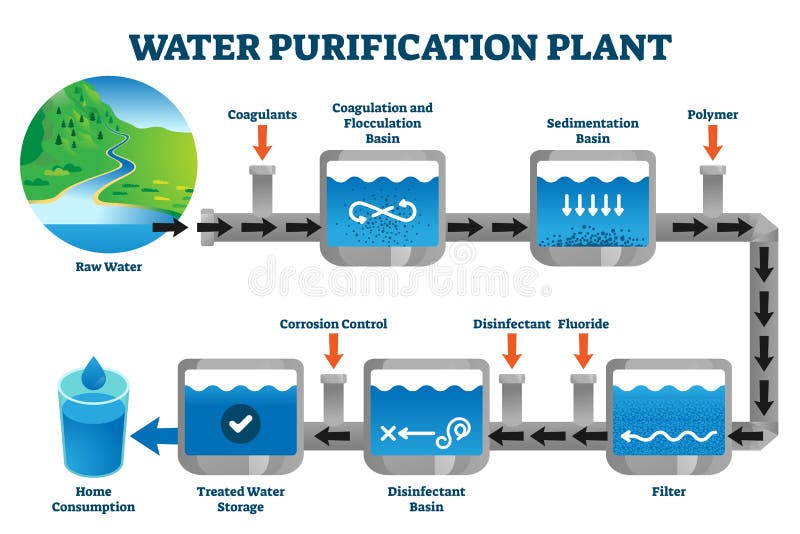
Polyacrylamide (PAM) Flocculants: Types & Optimal Applications
Choose the right PAM type for maximum performance:
- Anionic Polyacrylamide (APAM) – Best for mineral-rich, positively charged suspensions (mining tailings, construction wastewater, river water clarification)
- Cationic Polyacrylamide (CPAM) – Ideal for organic-rich, negatively charged wastewaters (municipal sewage, food & beverage, pulp & paper, sludge dewatering)
- Nonionic Polyacrylamide (NPAM) – Suitable for variable pH conditions or when charge effects need to be minimized
Explore detailed specifications, molecular weight ranges, charge densities, and application guides for high-performance PAM flocculants produced by a trusted Polyacrylamide Factory at flocculationwatertreatment.com.
Jar Testing: Key to Perfect PAM Dosage & Performance
Jar tests simulate real plant conditions to determine the ideal coagulant + flocculant combination. Monitor floc formation speed, size, settling rate, and residual turbidity to achieve:
- Optimal polymer dosage (typically 0.5–5 ppm)
- Reduced chemical costs
- Superior effluent quality
- Minimal sludge volume

Industrial Clarifiers & High-Rate Settling with PAM
Modern clarifiers equipped with optimized polyacrylamide achieve excellent solids capture at high surface overflow rates, producing consistently low-TSS effluent suitable for discharge or reuse.

Conclusion: Achieve Superior Results with the Right PAM Flocculant
Effective flocculation is essential for cost-efficient, compliant water and wastewater treatment. Selecting high-quality polyacrylamide from a reliable Polyacrylamide Factory and fine-tuning dosage through jar testing can dramatically improve plant performance, reduce operational expenses, and ensure environmental compliance.
For comprehensive PAM product details, technical data sheets, case studies, and expert support, visit https://www.flocculationwatertreatment.com/ – your go-to resource for flocculation water treatment solutions.